
Movies
REVIEW: Hamnet

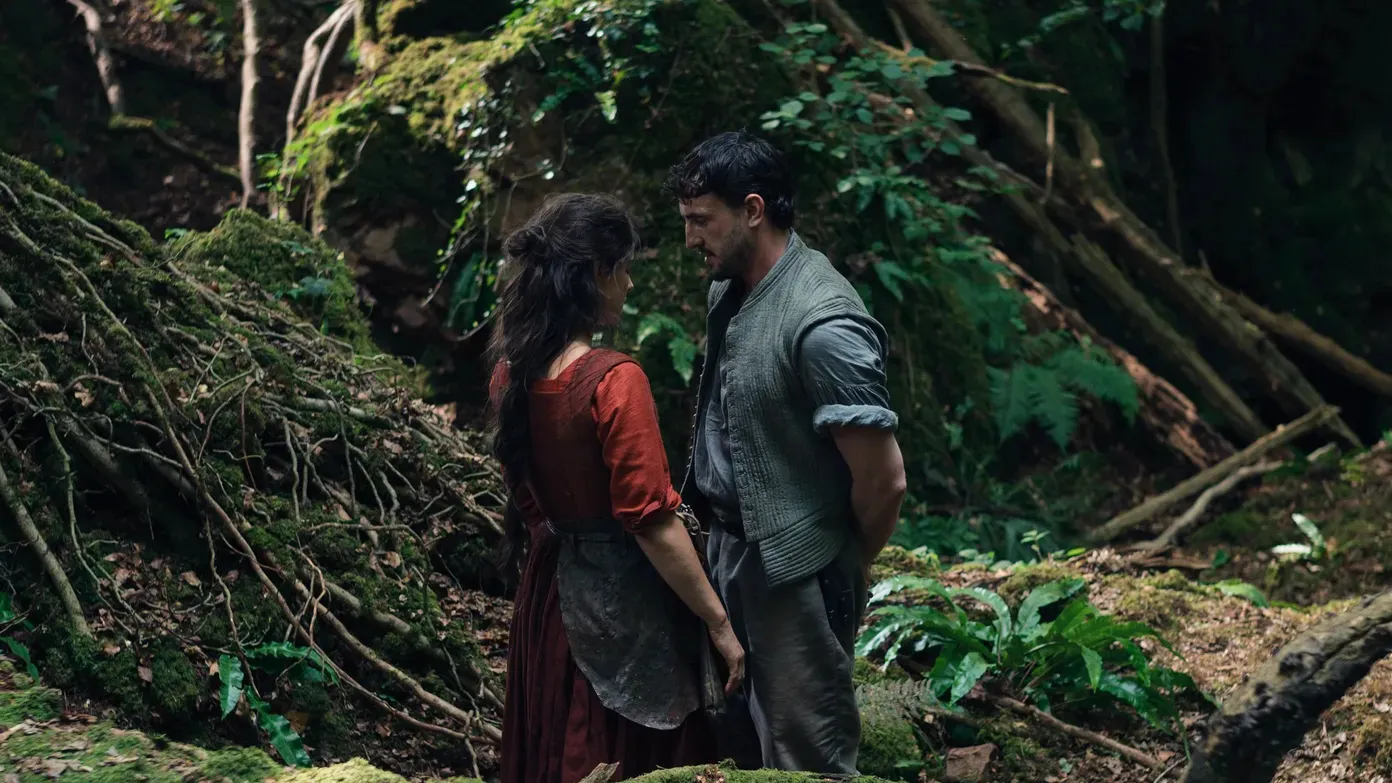
Actions often speak louder than words, and very few filmmakers understand that old cinematic rule — show, don’t tell — as instinctively as Chloé Zhao. It’s something she’s proven before, but here she applies it with devastating precision. This is a film that communicates as much through silence, body language, and negative space as it does through dialogue, and Zhao’s greatest strength lies in how she draws that emotion out of her actors.
Jessie Buckley has always had it. I’ve been a fan ever since Wild Rose, and even in projects where the film itself doesn’t quite work — or when she only has a handful of scenes — she somehow manages to leave a lasting impression. But what she does here is on a completely different level. It’s no surprise she’s emerged as a frontrunner this awards season, because this is the kind of performance people remember for years.
They say the eyes are a window to the soul, but Buckley uses her entire body as an emotional instrument. Especially in the film’s second half, when tragedy strikes, you can feel the grief settling into her bones. There’s a sense of something permanently breaking inside her — a life she thought she had slipping away in an instant. What’s remarkable is that Zhao never pushes this into melodrama. There are no big monologues or explosive emotional releases. Instead, she leans into restraint, silence, and stillness, allowing the audience to sit with the pain as it slowly takes shape. Grief here isn’t loud — it’s consuming.
The supporting performances are excellent, even if they risk being overshadowed by Buckley’s work. Paul Mescal continues to master the art of doing a lot with very little. His performance is incredibly understated, which makes moments of connection — like the quiet scene where he holds Jesse as she unravels — hit even harder. Jacobi Jupe, as the title character, brings warmth, joy, and a lightness that instantly draws you in. That sense of innocence is crucial, because it makes the emotional blow land with far greater force. Zhao’s handling of his death is especially striking, filmed in a dreamlike, almost tender way that feels both surreal and deeply human.
From a technical standpoint, the film is beautifully crafted. Zhao’s naturalistic cinematography gives certain scenes — particularly those set in open fields — an almost magical quality. The score by Max Richter is another standout. There’s a particularly powerful use of one of his most recognizable pieces that elevates an already emotional scene, but overall the music remains subtle, never overpowering the story.
In the end, Zhao has delivered one of the most affecting cinematic explorations of grief in recent years. Anchored by extraordinary performances, thoughtful writing, and assured direction, it’s a film that may move slowly at first — and yes, some viewers may drift — but for those willing to stay with it, the emotional payoff is profound. This is the kind of film that quietly lingers long after the credits roll.


Jason Momoa is heading to the front lines.
The actor has signed on to star in Sony Pictures’ feature adaptation of Helldivers, the hit video game franchise from Arrowhead Game Studios. Justin Lin is set to direct the project, which hails from PlayStation Productions and is slated for a theatrical release on Nov. 10, 2027.
Launched in 2015, the original Helldivers built a devoted following, but it was 2024’s Helldivers 2 that became a breakout phenomenon. The sequel sold more than 12 million units across PlayStation 5 and PC within its first four months and has continued to expand its footprint, recently launching on Xbox. The game’s narrative centers on an elite military unit known as the Helldivers, tasked with defending the fictional Super Earth from deadly alien threats in a satirical, high-intensity sci-fi war.
Hutch Parker is producing alongside PlayStation Productions head Asad Qizilbash, with Lin producing through his Perfect Storm Entertainment banner.
The project adds to an already packed slate for Momoa, who remains one of Hollywood’s most in-demand action stars. He will next portray intergalactic bounty hunter Lobo in Supergirl: Woman of Tomorrow, set for release June 26. He currently stars opposite Dave Bautista in Amazon MGM Studios’ The Wrecking Crew for Prime Video and will appear alongside Ryan Reynolds in Warner Bros. and Legendary’s hybrid animated feature Animal Friends, debuting May 1.
Momoa is also set to take on the role of Blanka in Legendary and Paramount’s Street Fighter, scheduled for Oct. 16, and will reprise Duncan Idaho in Dune: Part Three, due Dec. 18 from Warner Bros. and Legendary.
The actor previously anchored Warner Bros.’ DC franchise as Aquaman in two films directed by James Wan and appeared as the villain Dante in Fast X, which Lin wrote and produced. Among his recent credits is Warner Bros. and Legendary’s A Minecraft Movie, which approached $1 billion at the global box office, as well as HBO’s Game of Thrones, where he broke out as Khal Drogo. Most recently, Momoa starred in and co-created Apple TV+’s limited series Chief of War.
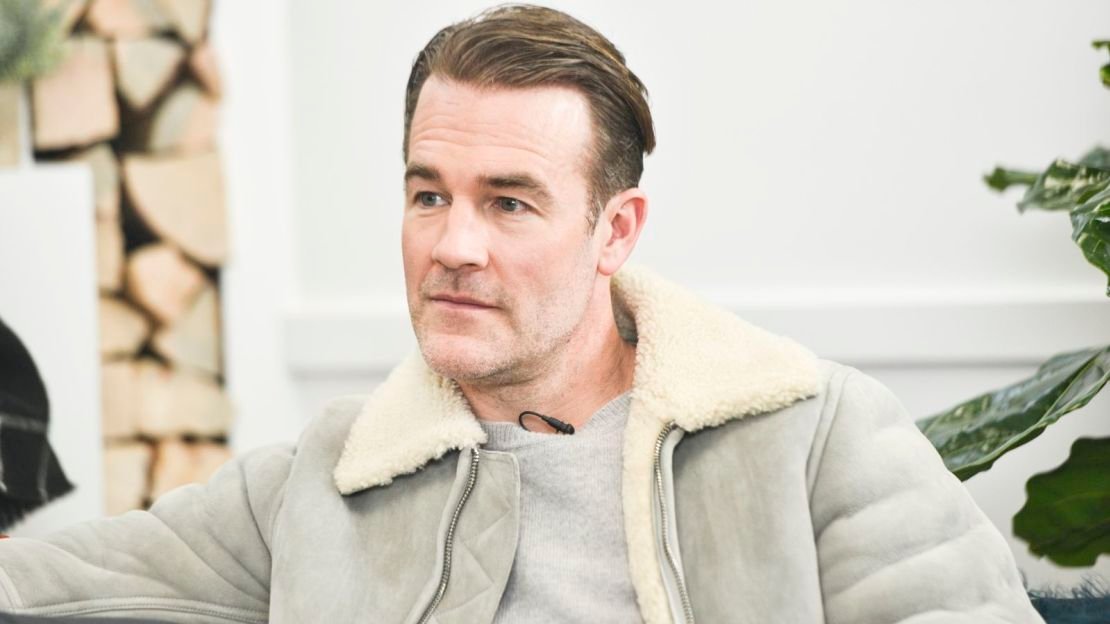
James Van Der Beek, the actor who became a defining face of late-’90s teen television as earnest aspiring filmmaker Dawson Leery on The WB’s Dawson’s Creek, died Wednesday following a prolonged battle with colorectal cancer. He was 48. His family confirmed the news on social media.
Van Der Beek publicly disclosed his diagnosis in November 2024. In a statement posted to Instagram, his family wrote, “Our beloved James David Van Der Beek passed peacefully this morning. He met his final days with courage, faith, and grace. There is much to share regarding his wishes, love for humanity and the sacredness of time. Those days will come. For now we ask for peaceful privacy as we grieve our loving husband, father, son, brother, and friend.”
In the months after revealing his illness, the actor auctioned memorabilia from Dawson’s Creek and Varsity Blues to help offset treatment costs. He also withdrew from a one-night Dawson’s Creek reunion benefiting F Cancer; Lin-Manuel Miranda stepped in for the live stage reading of the pilot. Van Der Beek had recently been cast in a recurring role as a mayoral candidate in Prime Video’s upcoming Legally Blonde prequel series, Elle.
Born March 8, 1977, in Cheshire, Connecticut, Van Der Beek began his professional acting career at 16, appearing off-Broadway in Edward Albee’s Finding the Sun, directed by Albee. Though he would become synonymous with television, he often described himself as “a theater kid” at heart.
That changed in 1997 when he was cast in Dawson’s Creek, Kevin Williamson’s coming-of-age drama that premiered in January 1998 to record ratings for The WB. The series, which also launched the careers of Katie Holmes, Joshua Jackson and Michelle Williams, became a cultural touchstone, dominating among teenage viewers and running for six seasons through 2003. It later found new life on streaming, introducing Van Der Beek’s performance to another generation.
As his television fame grew, Van Der Beek headlined the 1999 high school football drama Varsity Blues and later starred in the Bret Easton Ellis adaptation The Rules of Attraction (2002). Though neither film was a blockbuster on release, both became emblematic of the era and earned enduring cult followings.
His later work included a starring role opposite Patricia Arquette on CBS’ CSI: Cyber and a self-aware turn playing a heightened version of himself on ABC’s Don’t Trust the B—- in Apartment 23. He also voiced a lead role on Disney Channel’s animated series Vampirina and appeared on shows ranging from One Tree Hill to Modern Family and Law & Order: SVU.
Van Der Beek is survived by his wife of more than 25 years, Kimberly, and their six children — four daughters and two sons. A GoFundMe page has been established to assist his family with living expenses.
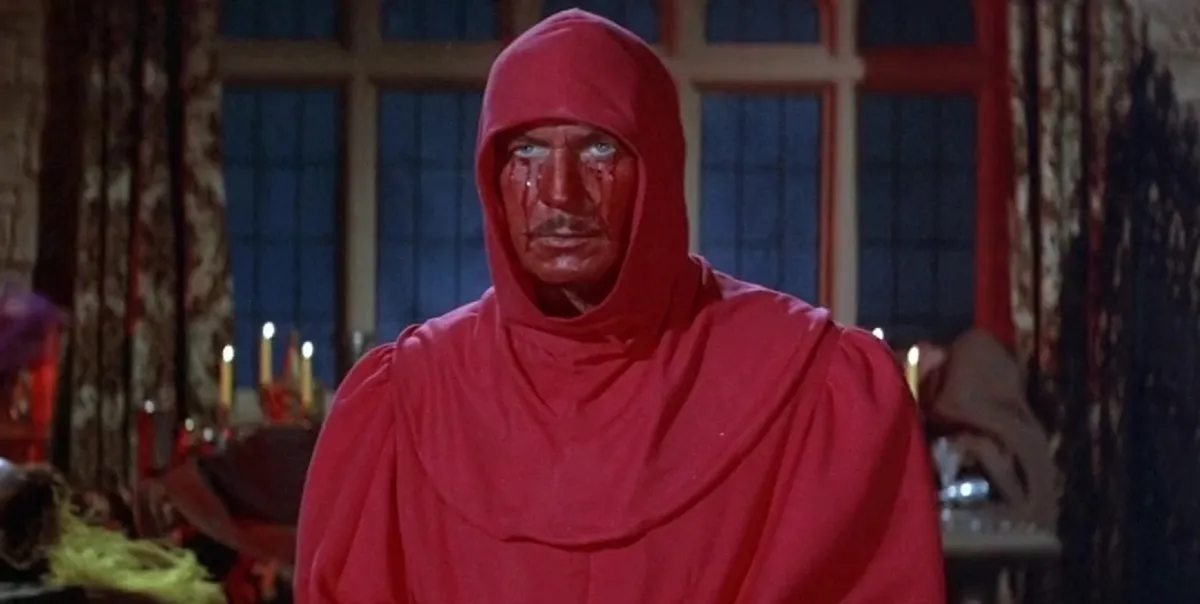
Franz Rogowski and Benedict Wong are boarding A24’s The Masque of the Red Death, joining previously announced stars Mikey Madison and Léa Seydoux in Charlie Polinger’s revisionist take on the Edgar Allan Poe classic.
Rogowski (Passages) and Wong (Weapons) have closed deals for the feature, which Polinger will direct from his own screenplay. The project is described as a wildly reimagined and darkly comedic interpretation of Poe’s 1842 short story. Specific character details are being kept under wraps.
In Poe’s original tale, Prince Prospero retreats with a circle of aristocrats to a fortified abbey as a devastating plague sweeps the land. Sealed off from the suffering outside, the nobles attempt to outlast the contagion by hosting a lavish masquerade ball. As the festivities unfold, a mysterious and ominous figure infiltrates the celebration, forcing the revelers to confront the inescapable reality they believed they had successfully walled off.
Polinger, a DGA Award winner, is expected to bring a contemporary lens to the material, blending horror and satire in a manner that aligns with A24’s penchant for auteur-driven genre fare.
Julia Hammer and Erik Feig are producing for Picturestart, alongside James Presson and Lucy McKendrick. Polinger will executive produce. A24 is set to distribute the film worldwide.

Orbit Culture Release Live Video For «The Storm» + North American Tour Starts 2/18

Acclaimed Texas Alt-Rock Band SPARTA Stream New Documentary, «Scenic Drive,» Today Via VEEPS; Information On New Album To Be Announced Soon

Intergalactic Thrashers FULLMINATOR Unleash Music Video for «2099 Ninjas»

Hozier To Join Joan Baez, Van Morrison, Stevie Van Zandt, George Thorogood, Mike Campbell, Bobby Rush + More At Sweet Relief’s Benefit Concert Honoring Taj Mahal February 21 At Masonic Auditorium

Best of 2025

REVIEW: Dynamite Kiss
-
 Music7 meses ago
Hozier To Join Joan Baez, Van Morrison, Stevie Van Zandt, George Thorogood, Mike Campbell, Bobby Rush + More At Sweet Relief’s Benefit Concert Honoring Taj Mahal February 21 At Masonic Auditorium
-
 Uncategorized8 meses ago
Best of 2025
-
 Reviews8 meses ago
REVIEW: Dynamite Kiss
-
 Reviews8 meses ago
REVIEW: As You Stood By – A Brutal, Unflinching Korean Thriller That Refuses to Look Away from Domestic Abuse
-

 News8 meses ago
Teresa Palmer Joins Ryan Hurst In Prime Video’s ‘God Of War’
-
 Music7 meses ago
Acclaimed Texas Alt-Rock Band SPARTA Stream New Documentary, «Scenic Drive,» Today Via VEEPS; Information On New Album To Be Announced Soon
-
 Reviews8 meses ago
REVIEW: Pro Bono Brings a Fresh Twist to the Courtroom K-Drama Formula
-
 Music8 meses ago
GHOST’S COVER OF IT’S A SIN AVAILABLE NOW